Naoru :
Post Growth Project
Collaboration with :
Hannah Mcguire, Emilie Shepherd and Rachel Taylor
The aim :
To prioritise sustainability and wellbeing, challenging the ‘what next’ in a world of depleting finite resources. A need for improvement of quality of life within environmental care, sustainable innovation and a system that works in benefiting both people and the planet coming together to solve these issues through concept and design for a better future.
Research
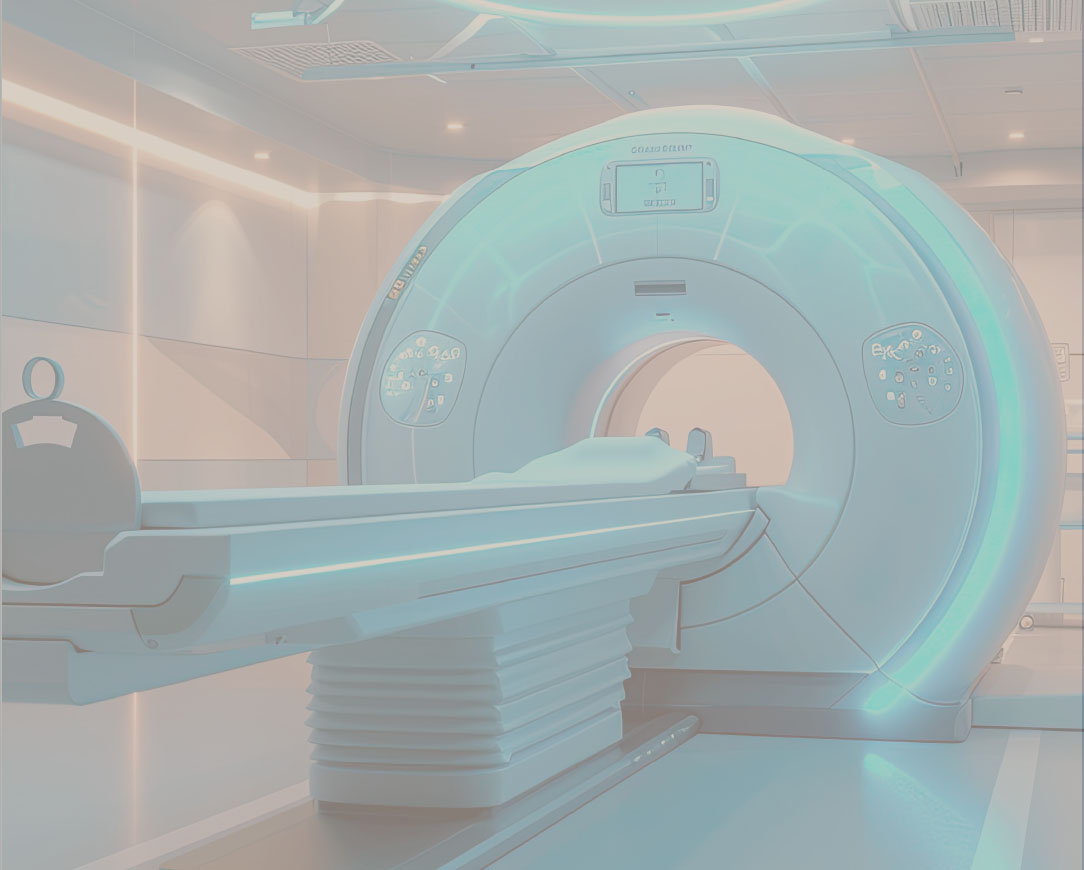
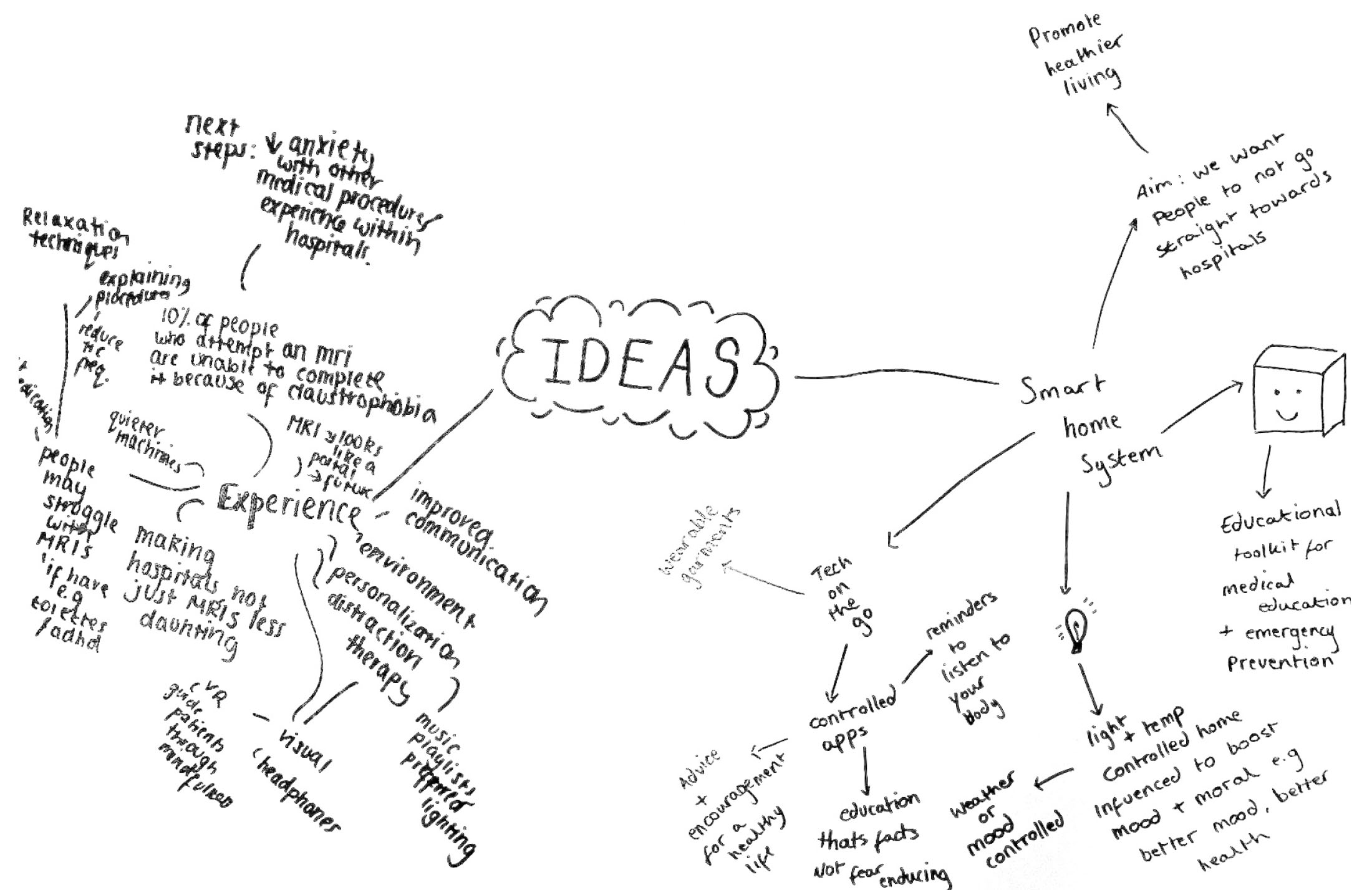
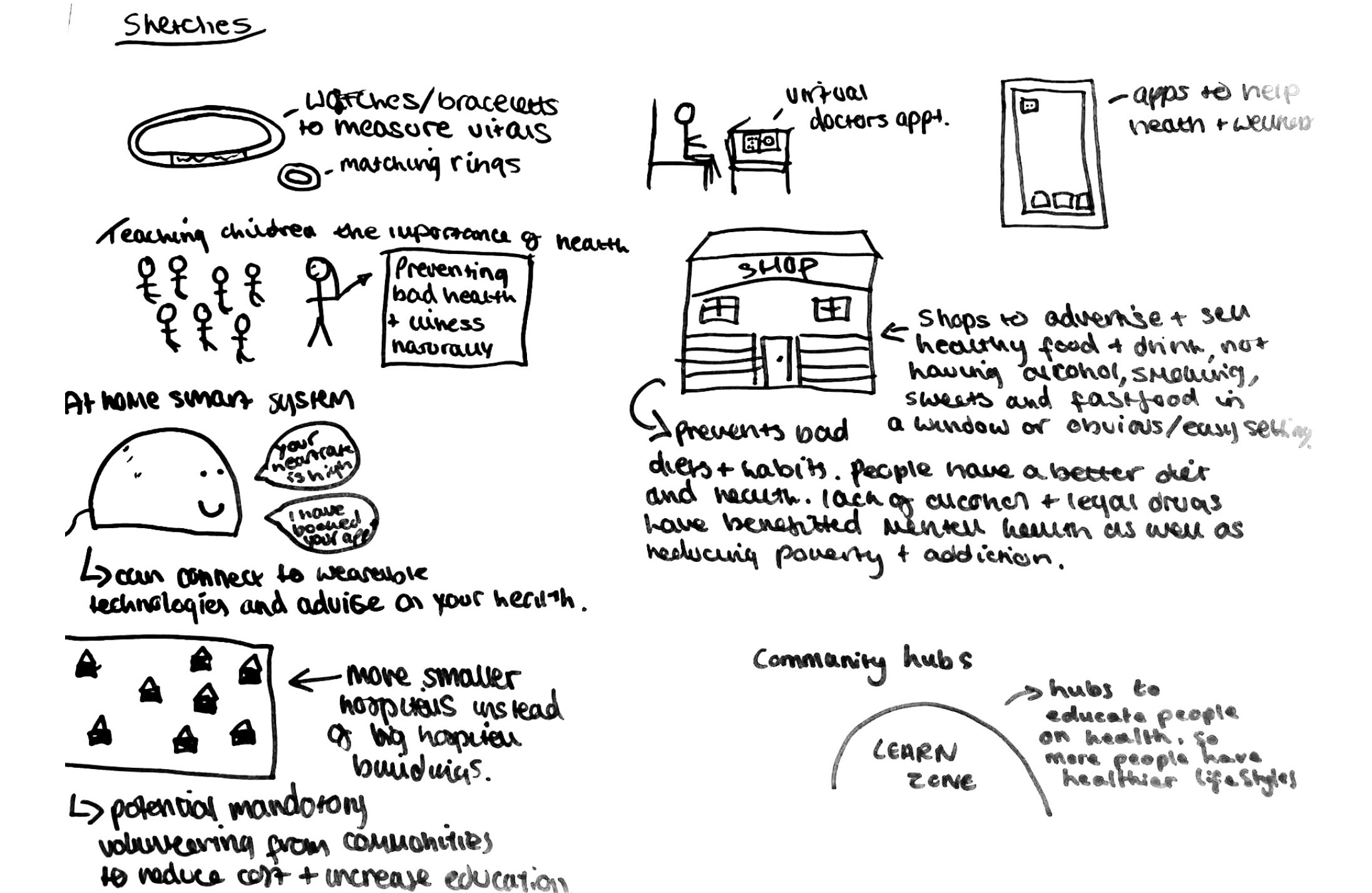
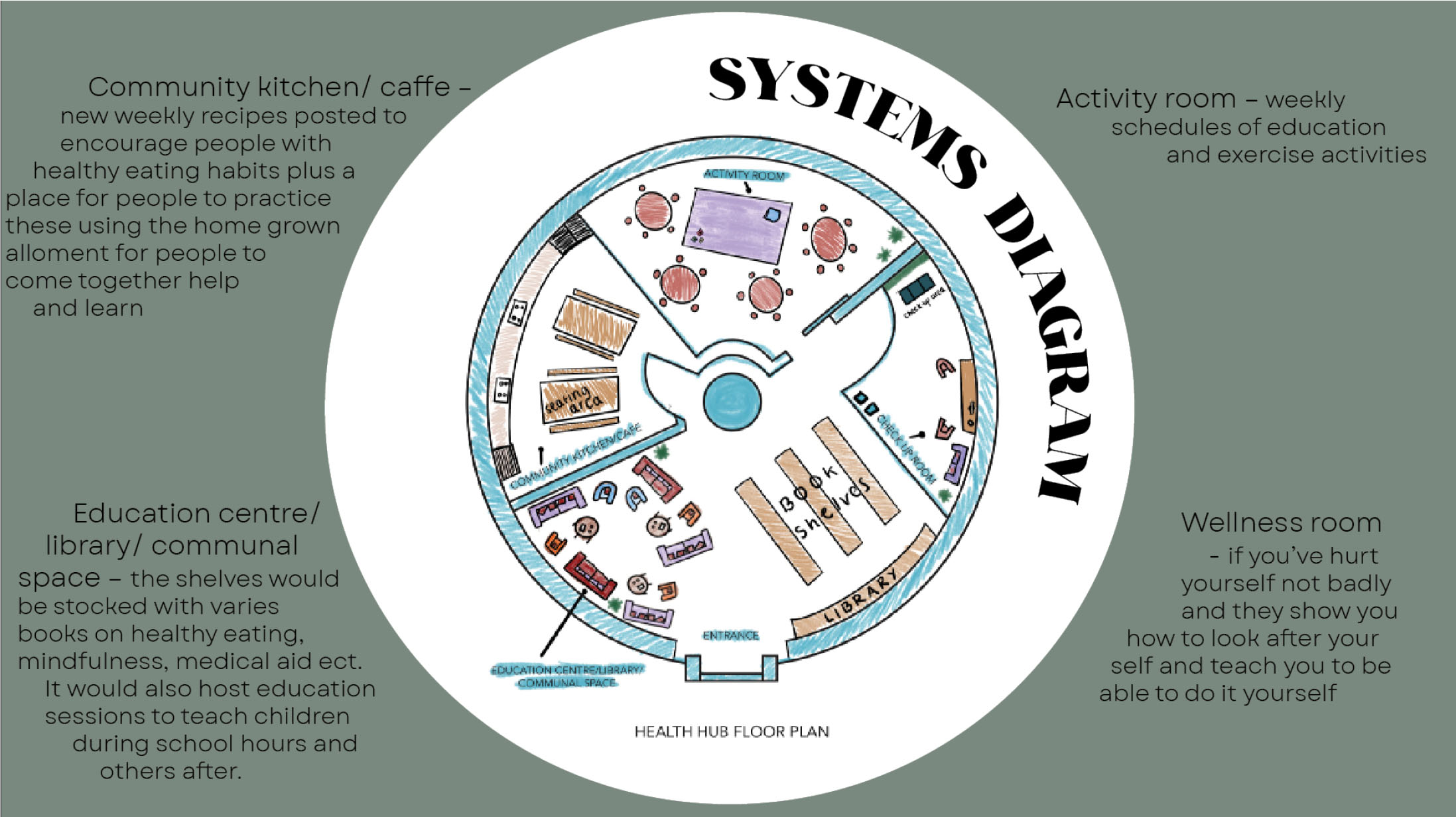
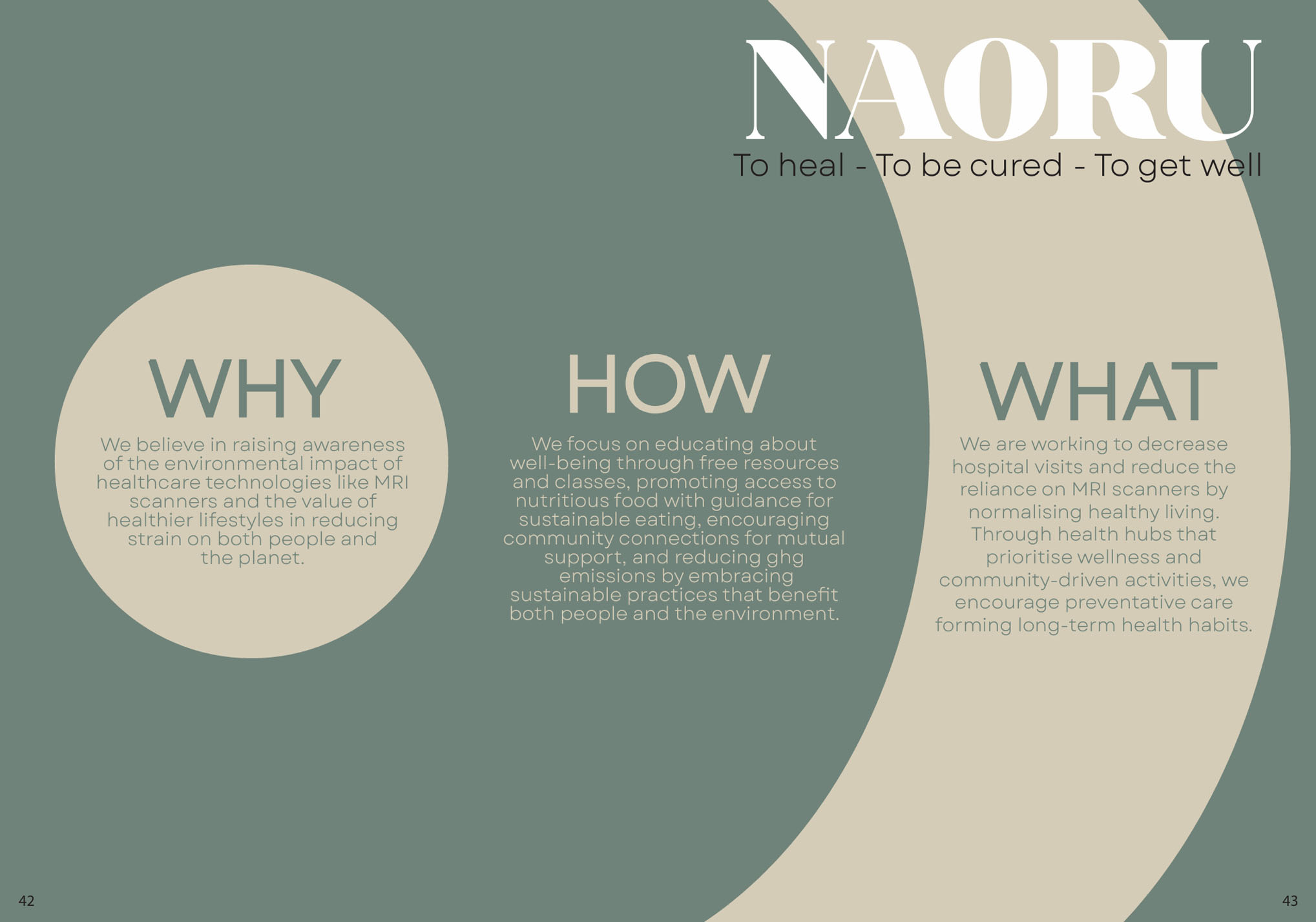
As a group we were assigned the object of an MRI scanner. When researching into it the idea of removing the need for unnecessary MRI scans would encourage people to listen to their bodies and maintain healthier lifestyles. Reducing hospital visits will make hospitals more accessible to those in need and overall reducing carbon emissions.
Ideation
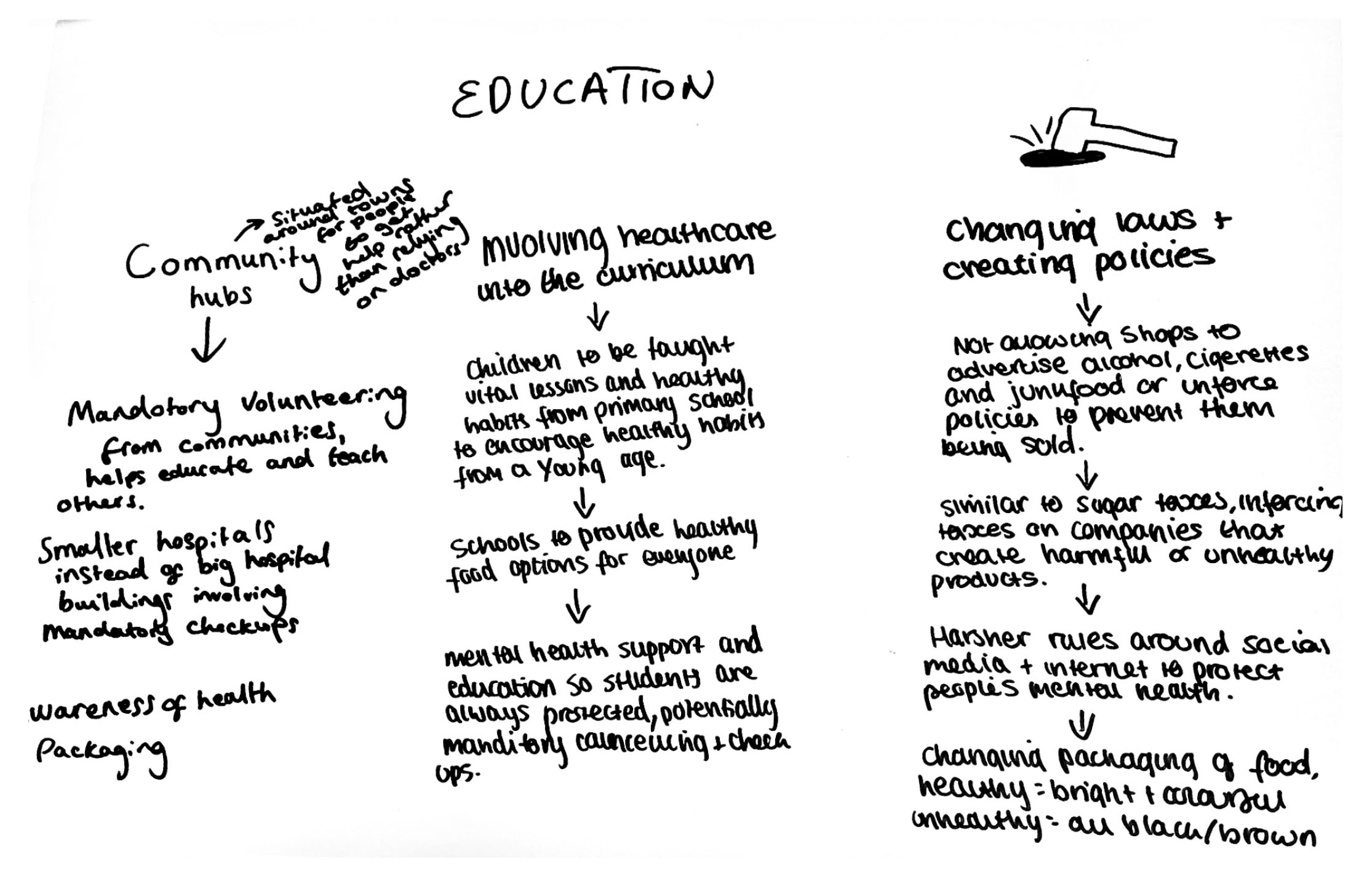
Key Insights
These key findings we discovered became the driving force for change within our project.
Up to 80% of cardiovascular diseases and type 2 diabetes cases, along with one-third of cancers, could be prevented through healthier lifestyles.
Research from the American Heart Association suggests that active children are 25% more likely to maintain healthy weight and physical activity levels into adulthood, reducing the risk of cardiovascular diseases, diabetes, and certain cancers.
A study published in the American Journal of Public Health found that people living in walkable neighbourhoods are 35% more likely to engage in regular physical activity, contributing to lower rates of obesity, heart disease, and diabetes. Urban planning that prioritizes walking and biking infrastructure can lead to significant public health improvements.
Audience
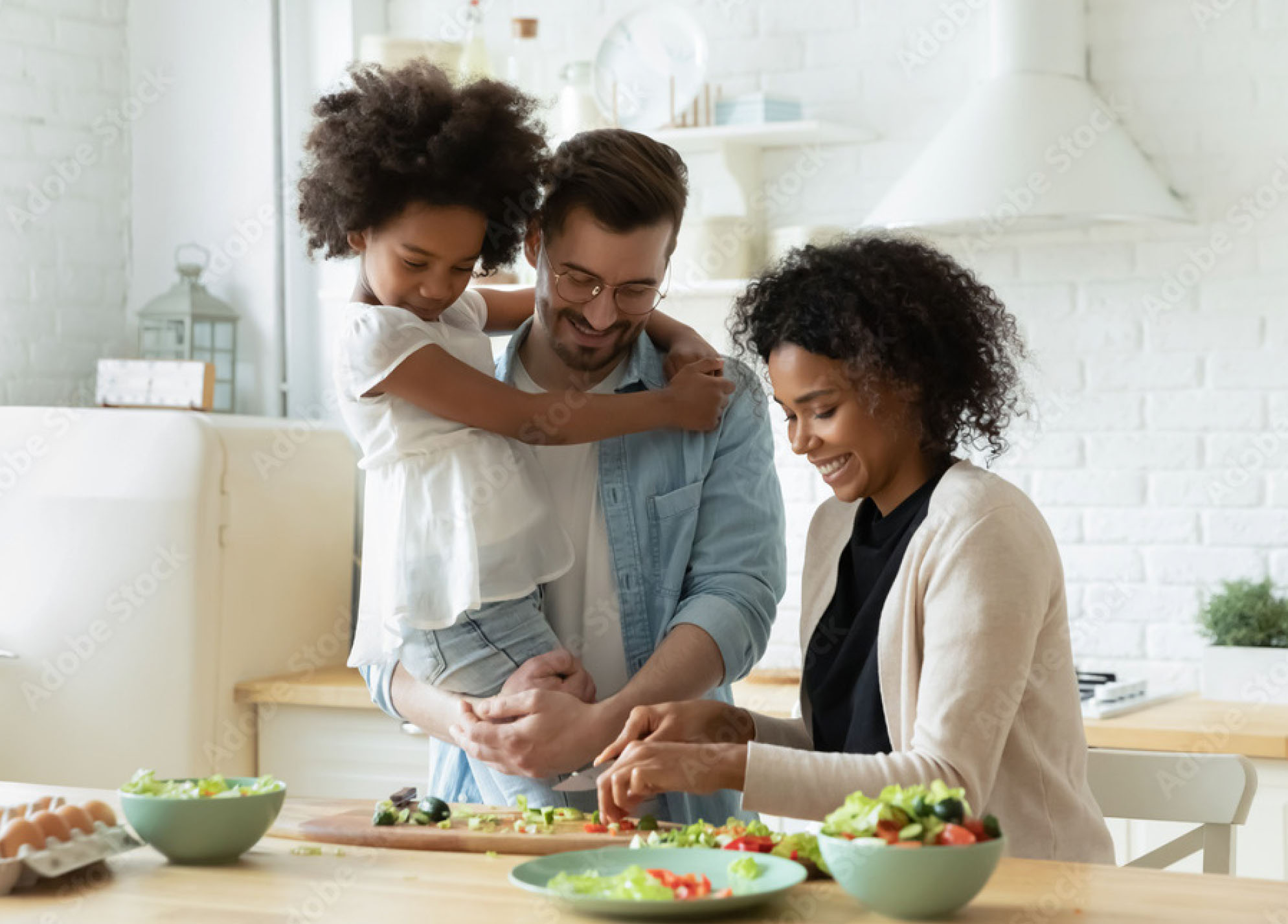
Our target audience centres on individuals striving to improve their health, with a particular emphasis on young adults and families. Young adults are at a pivotal stage in life where habits, routines, and values are being established, making this an ideal time to implement healthy lifestyle choices that can then be maintained throughout their adulthood.
For families, our focus extends beyond individual health to creating an environment where wellness becomes a shared value. Parents play a crucial role in modelling healthy behaviours for their children. By supporting families, we can form a culture of health that spans across age groups, strengthening the foundations for a healthier society. Growing a generation of individuals who are not only healthier but also more mindful of the connection between well-being, community, and sustainability can increase practices of preventative care.
Visual System

Research
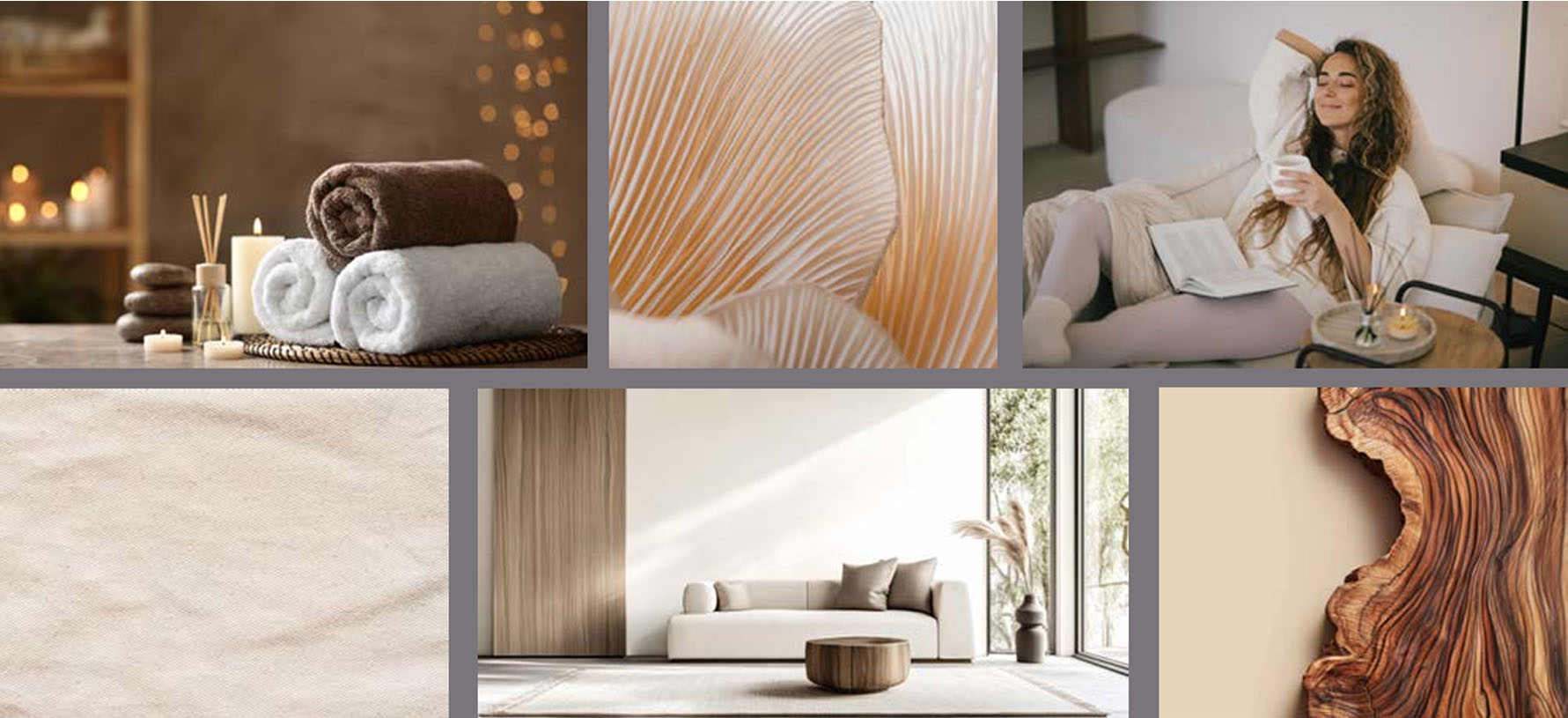
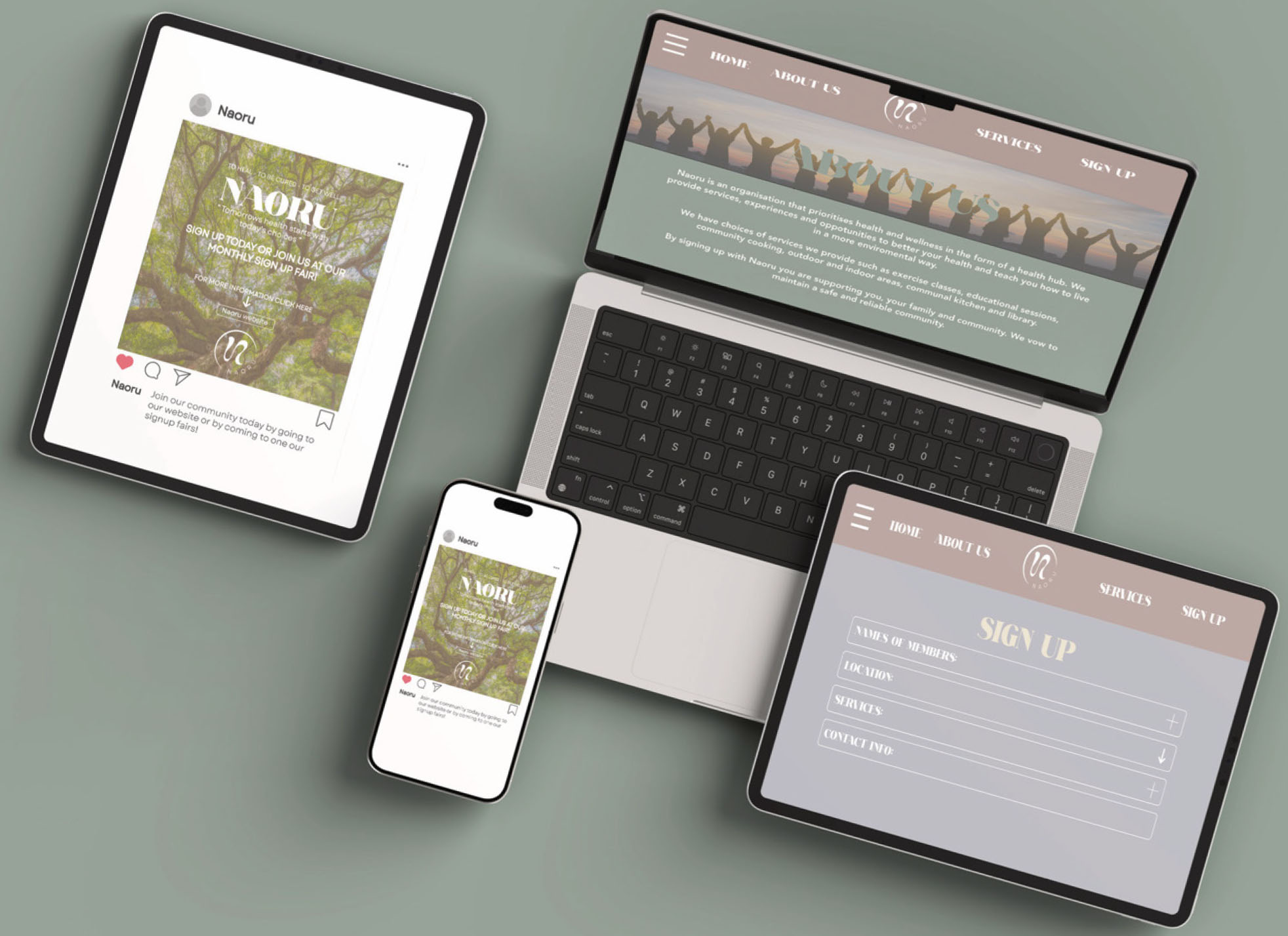
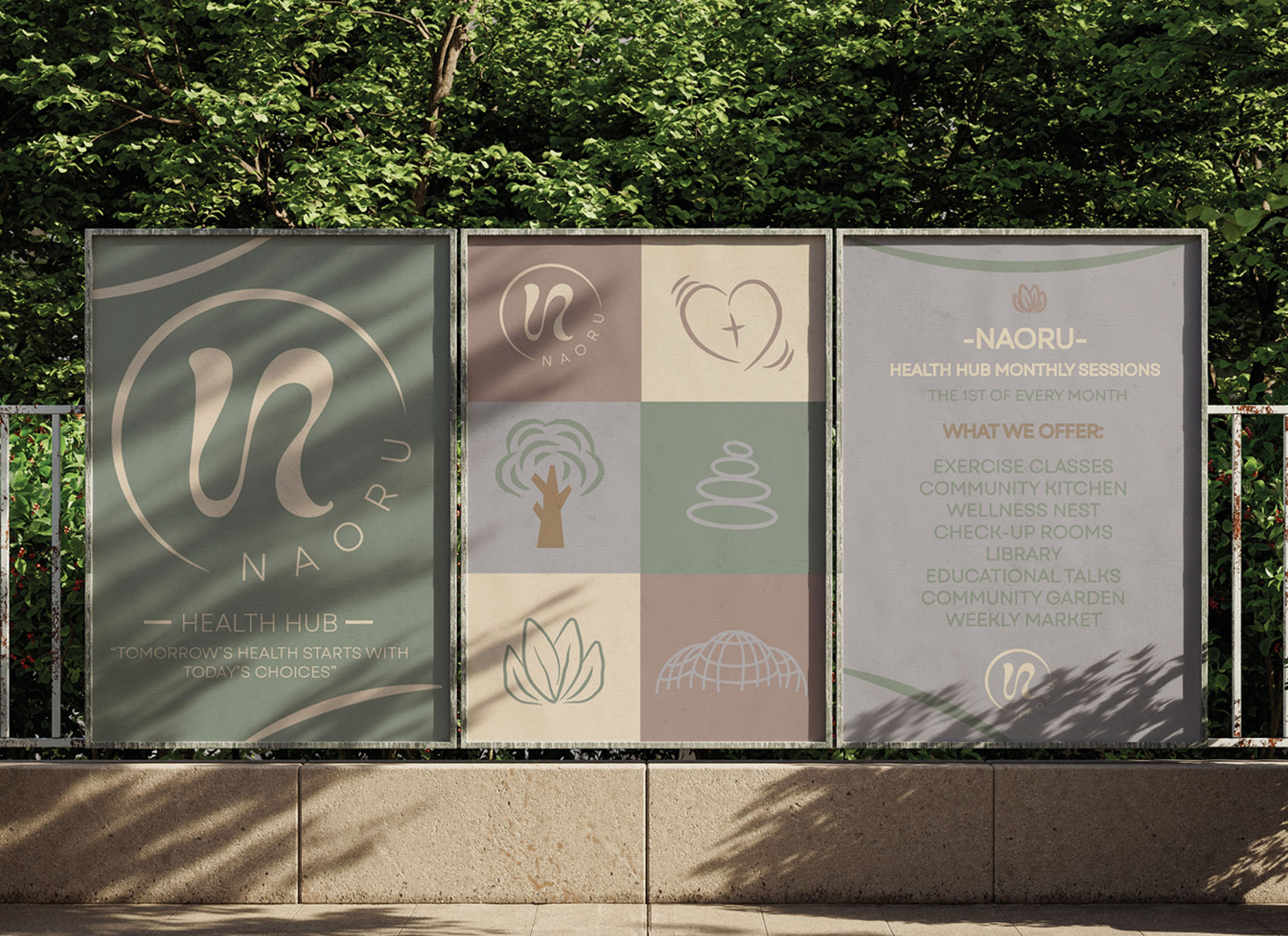
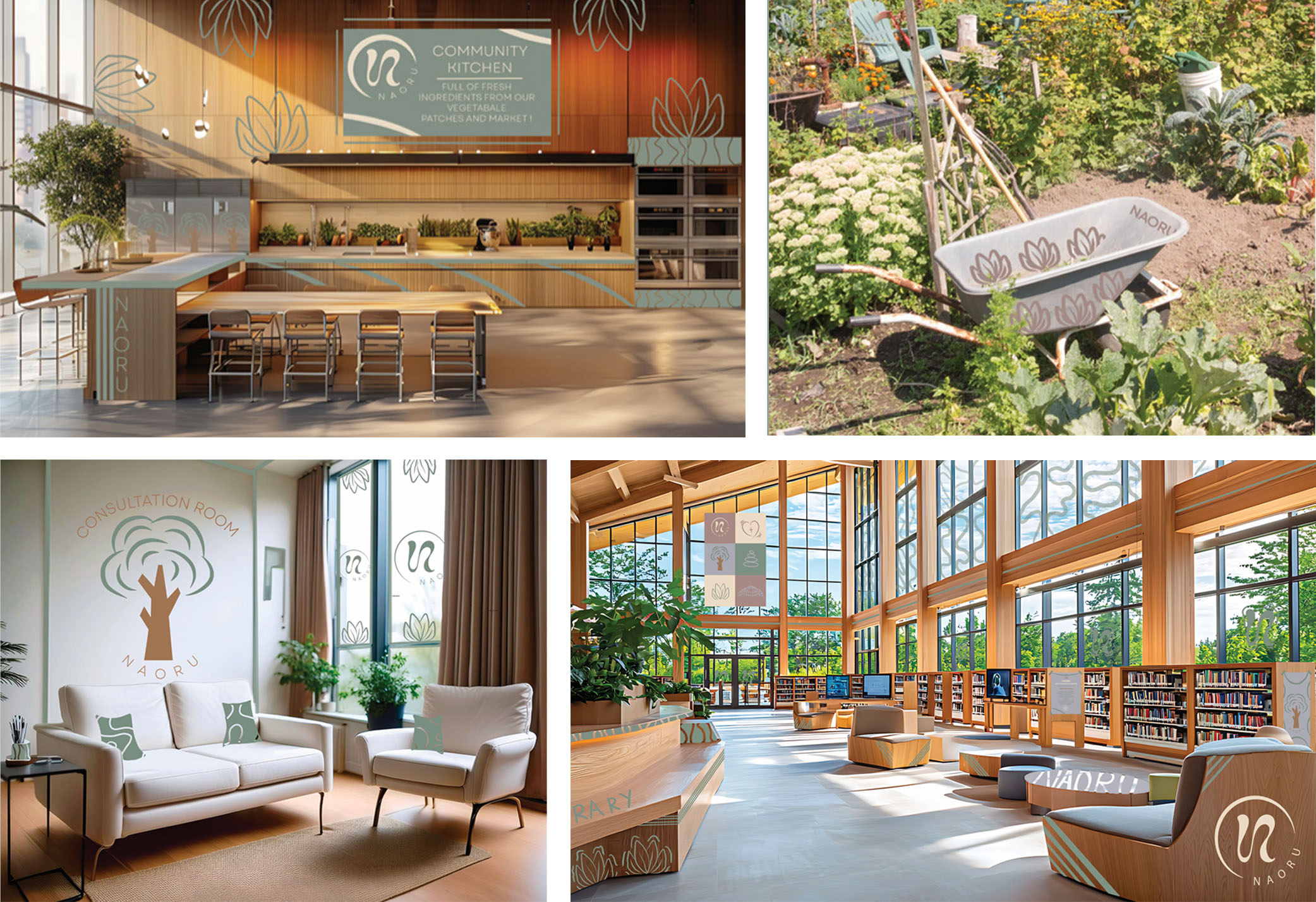
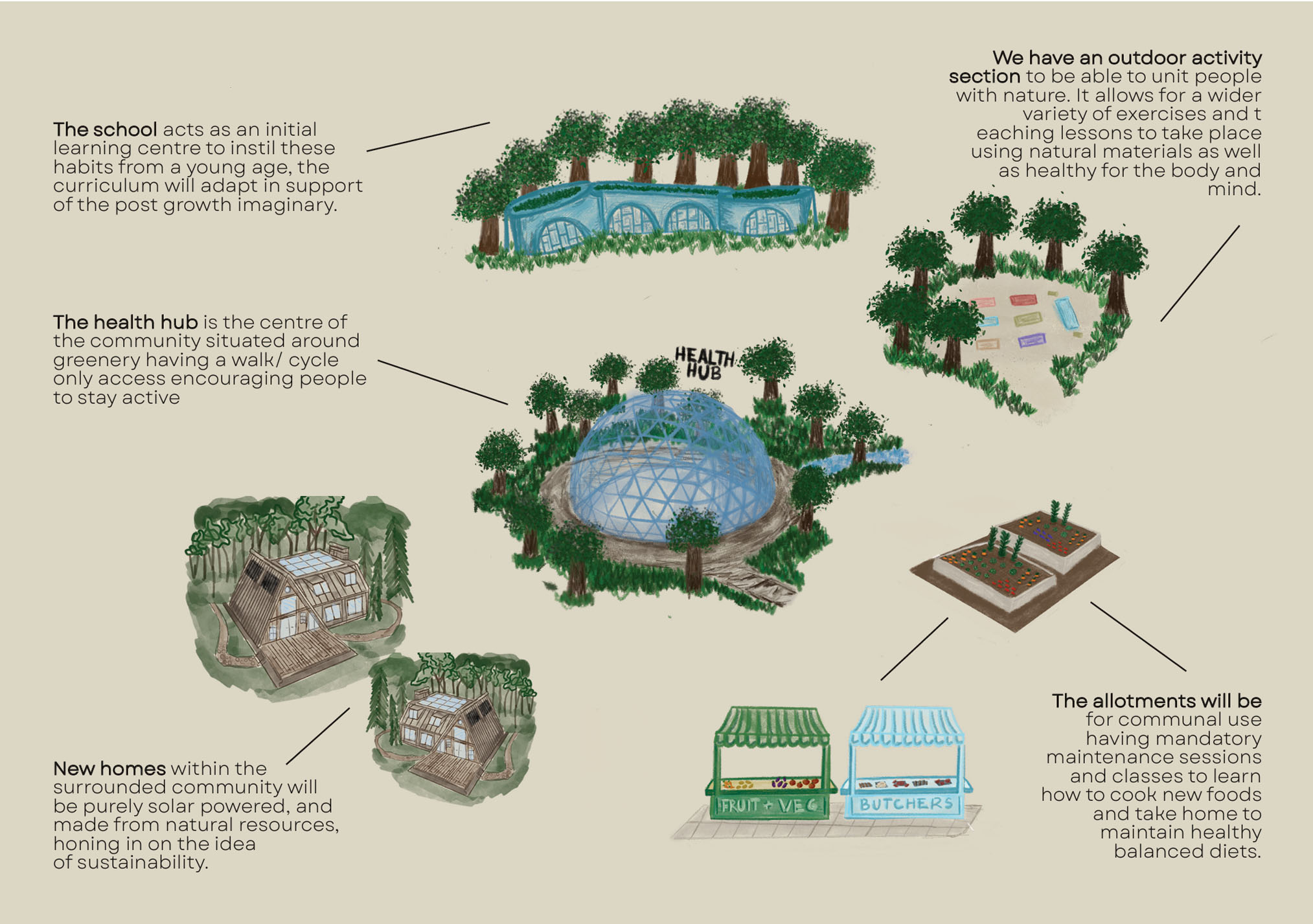
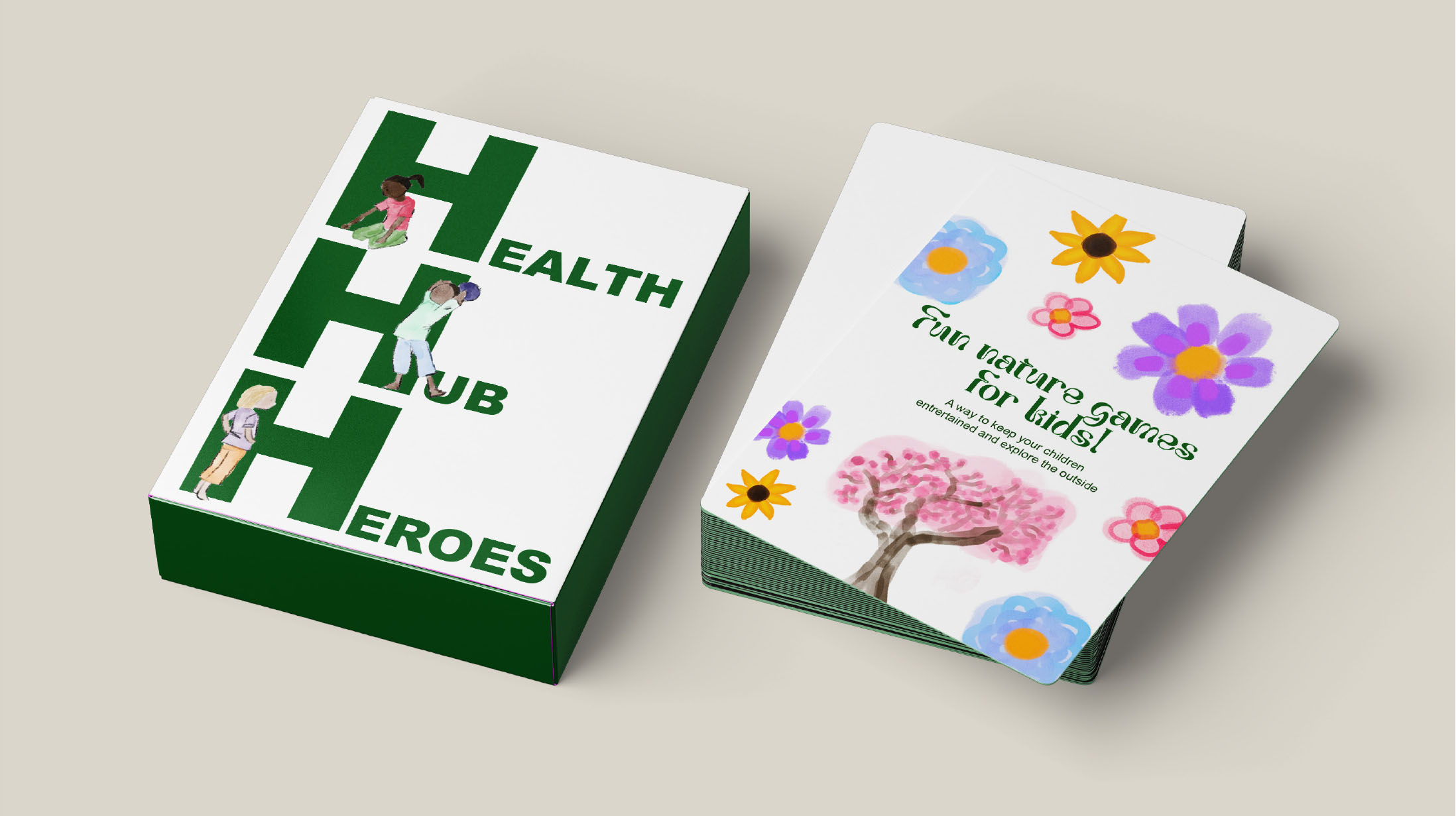
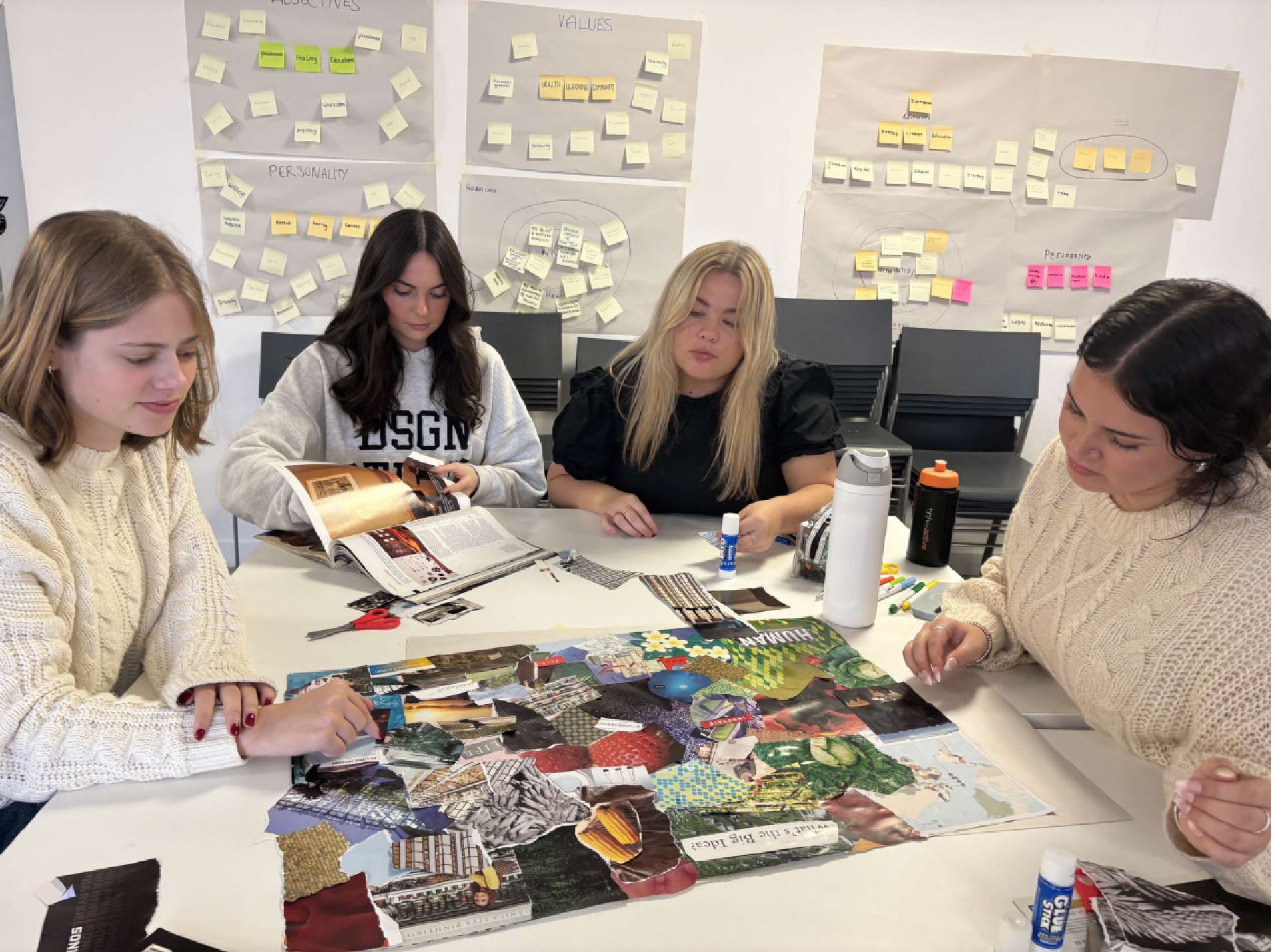
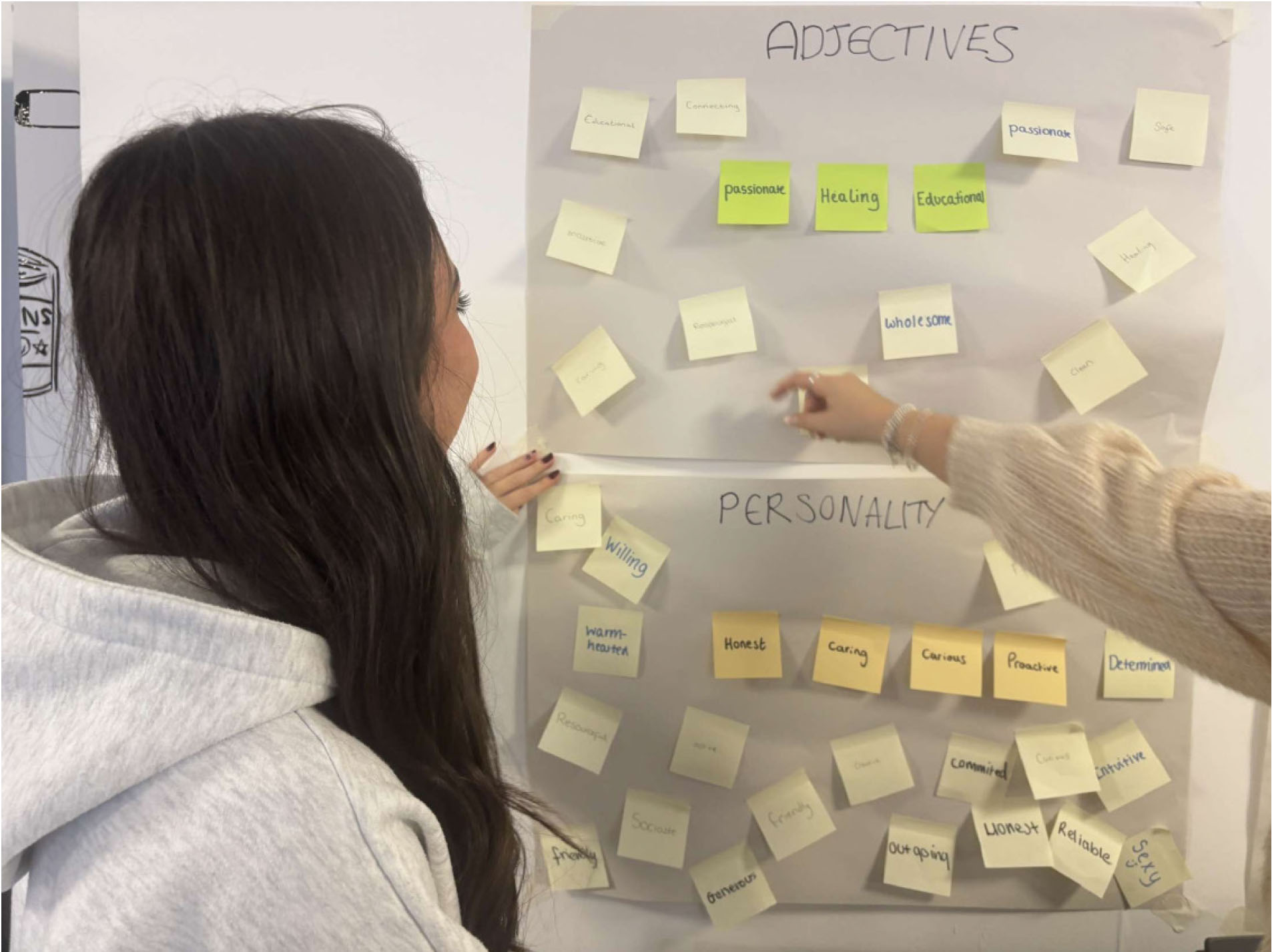
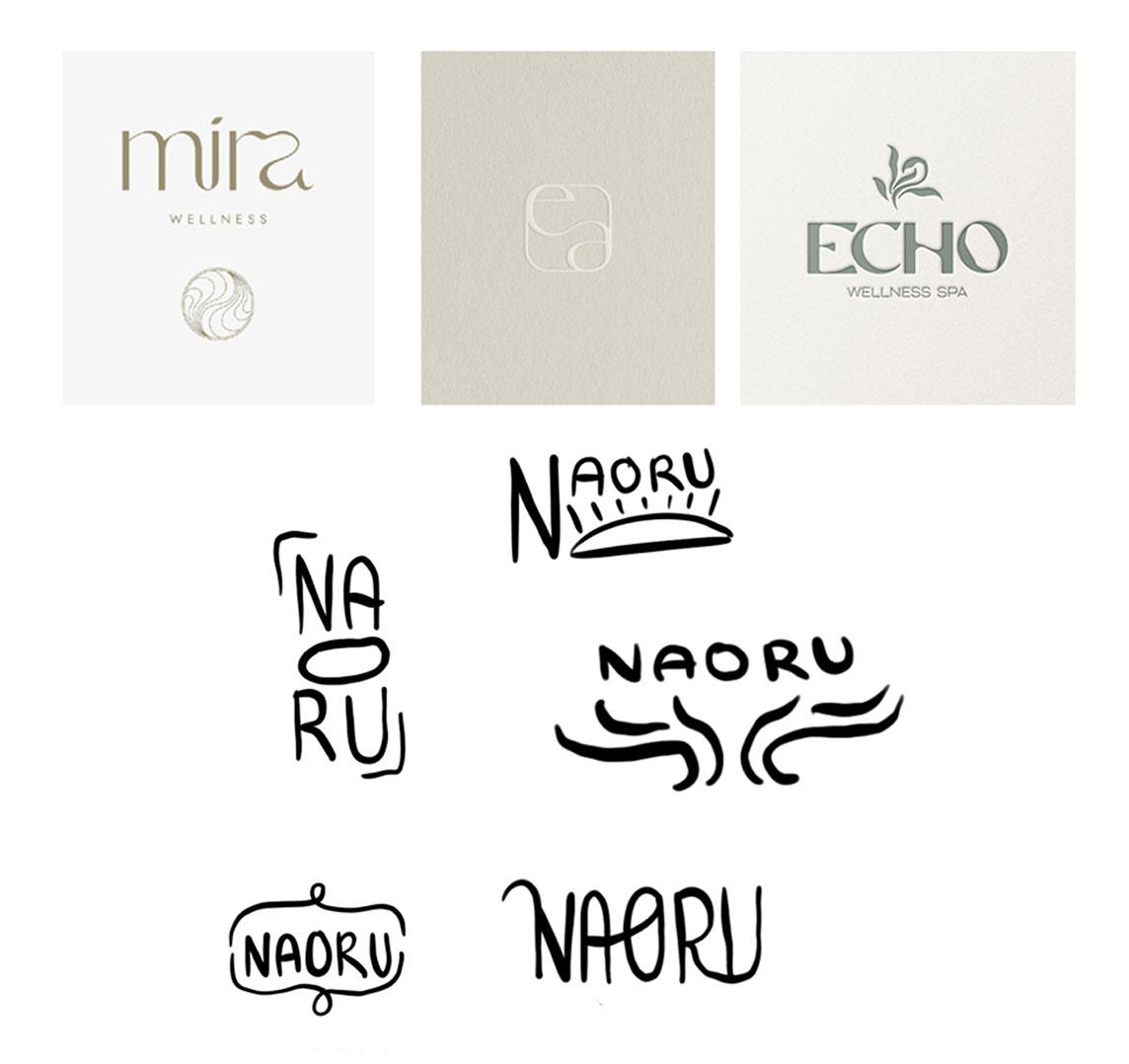
After trailing different themes we decided to settle on the idea of wellness. Concentrating on the feeling of the health hub and how the branding can reflect this through the inspiration of natural and relaxing colours and materials such as stone/ wood. These help create a spa like feeling opposing the typical cold and clinical feel of a hospital.
Brand Experience